Salt Lake City, UT · Garage Door Service
Garage door repair for Salt Lake City's 1969-2007 housing stock, from Rose Park to Sugar House. Torsion springs, openers, and cold-weather doors done right.
What We Do
From a snapped spring to a full door replacement - one local crew, upfront pricing.
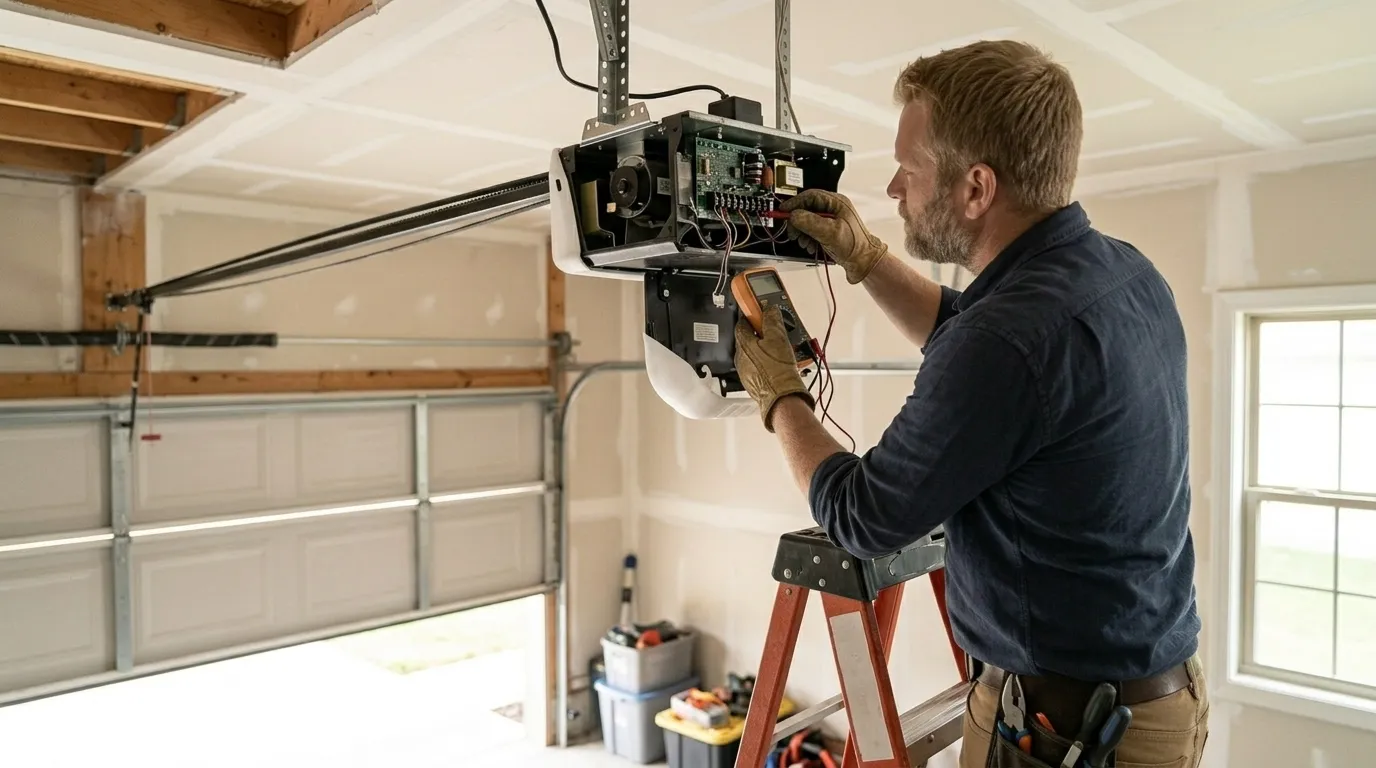
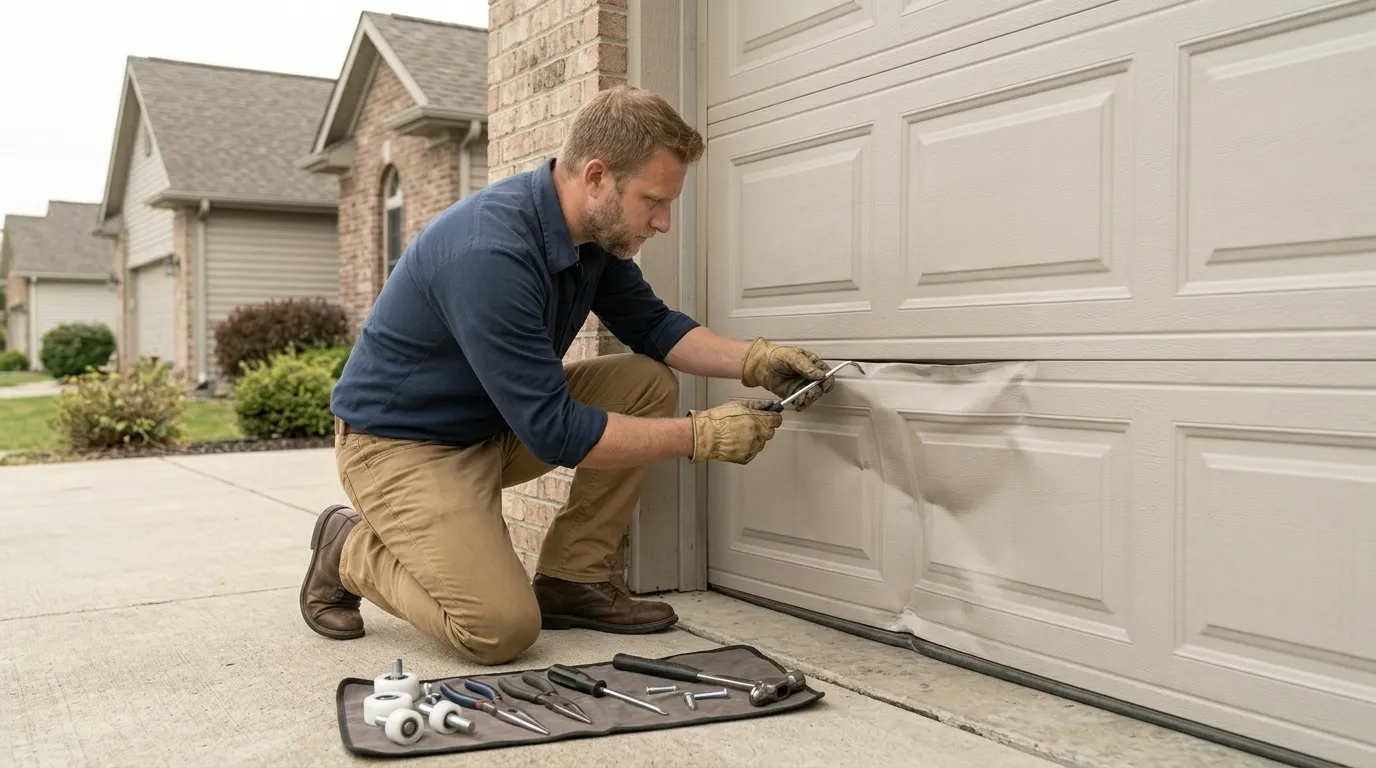
Off-track doors, snapped cables, bent panels and grinding openers - diagnosed and fixed.
Learn more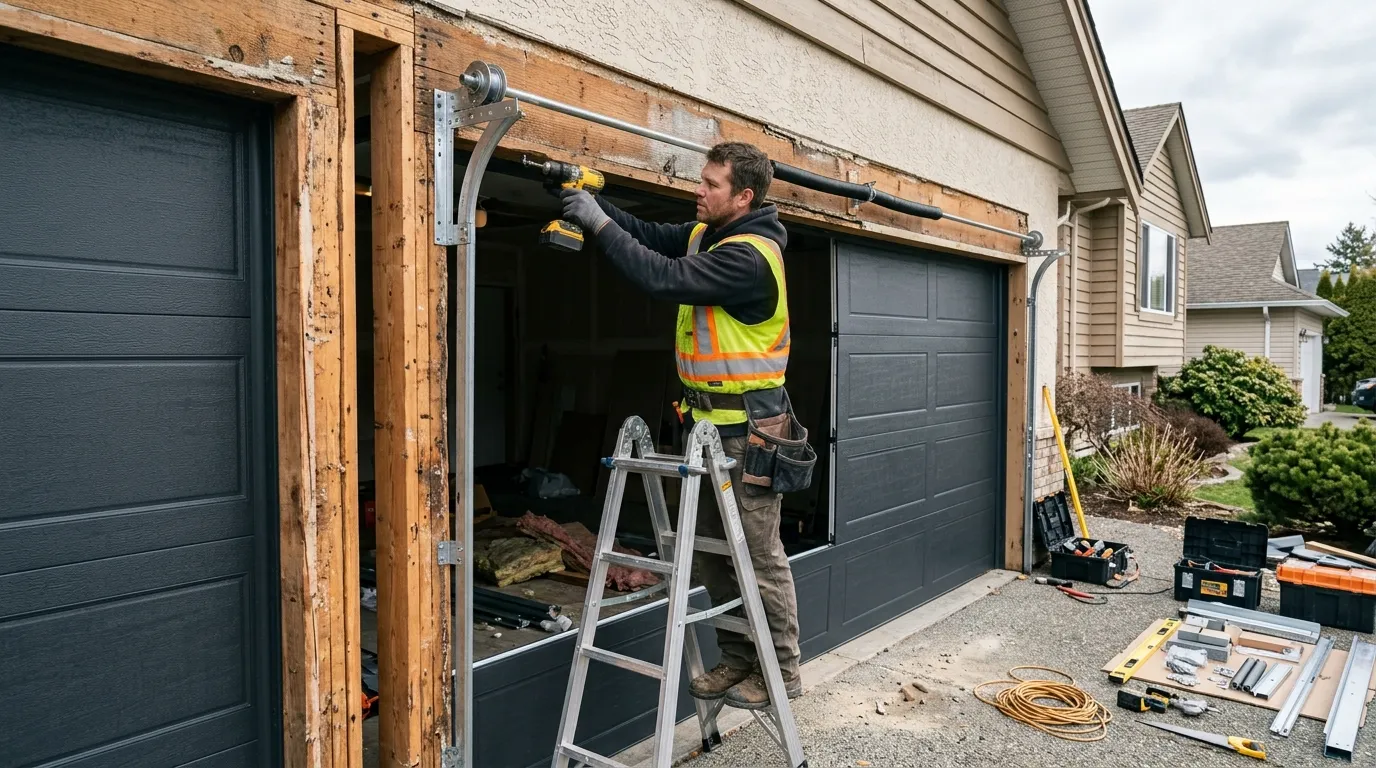
Insulated steel and composite doors sized to your opening and the local heat load.
Learn more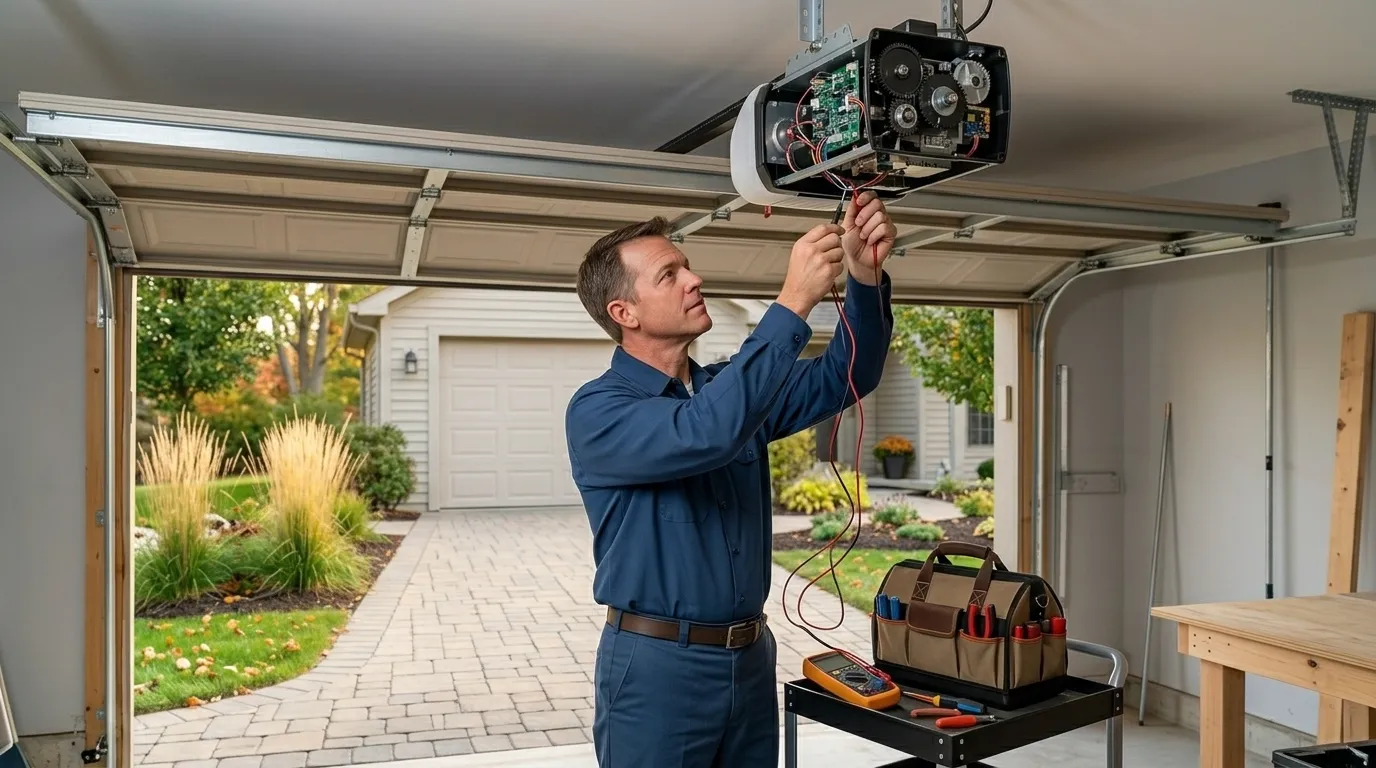
Spring tension, roller and track service that keeps an older door running quiet.
Learn moreFast Response
A stuck or broken garage door can't wait. Call before the afternoon and we can usually be out the same day - most repairs are diagnosed and finished on the first visit, with an upfront price before any work starts.
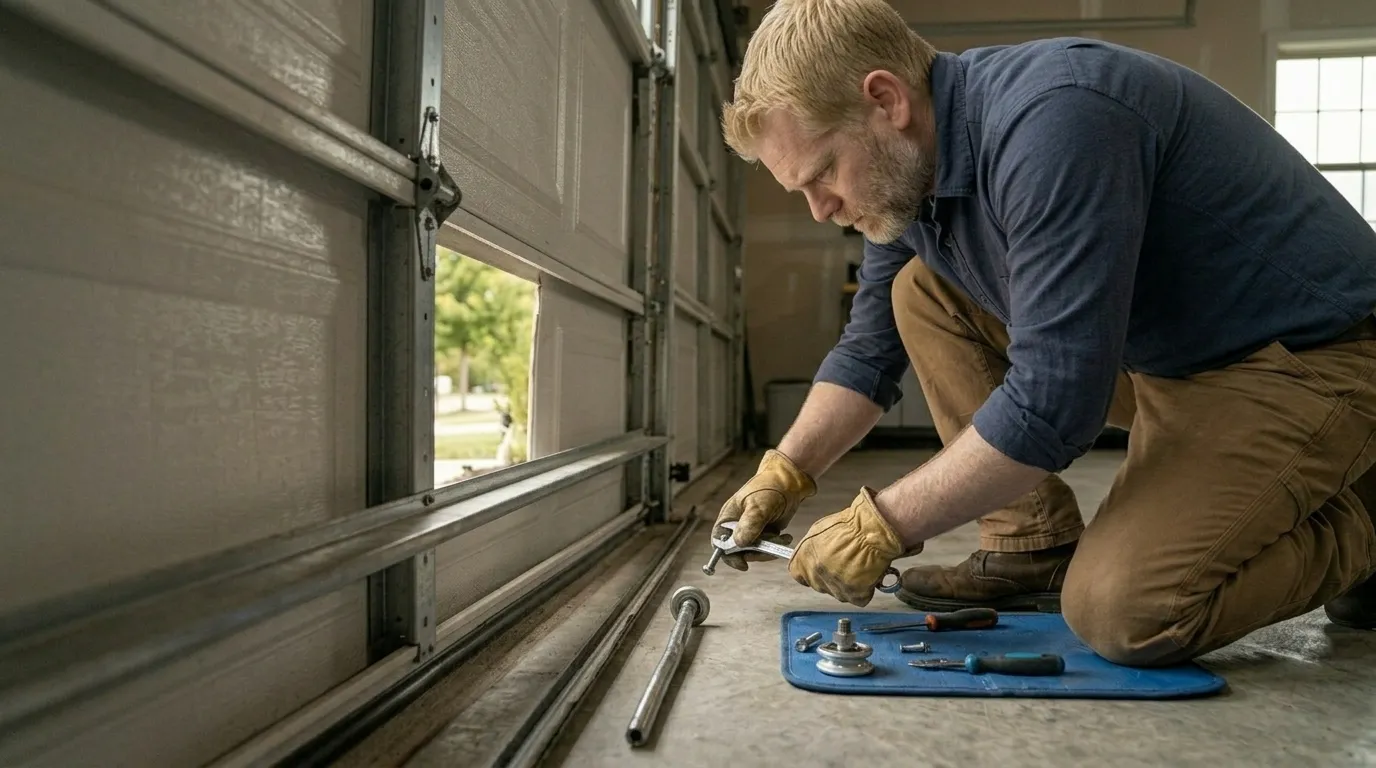 Same-day service
Why Salt Lake City Calls Us
How It Works
Call or request a quote and describe what the door is doing - noise, off-track, won't open.
A tech inspects the springs, tracks, opener and panels and gives you a written price first.
Most repairs are done on the same visit; installs are scheduled around you.
Our Work
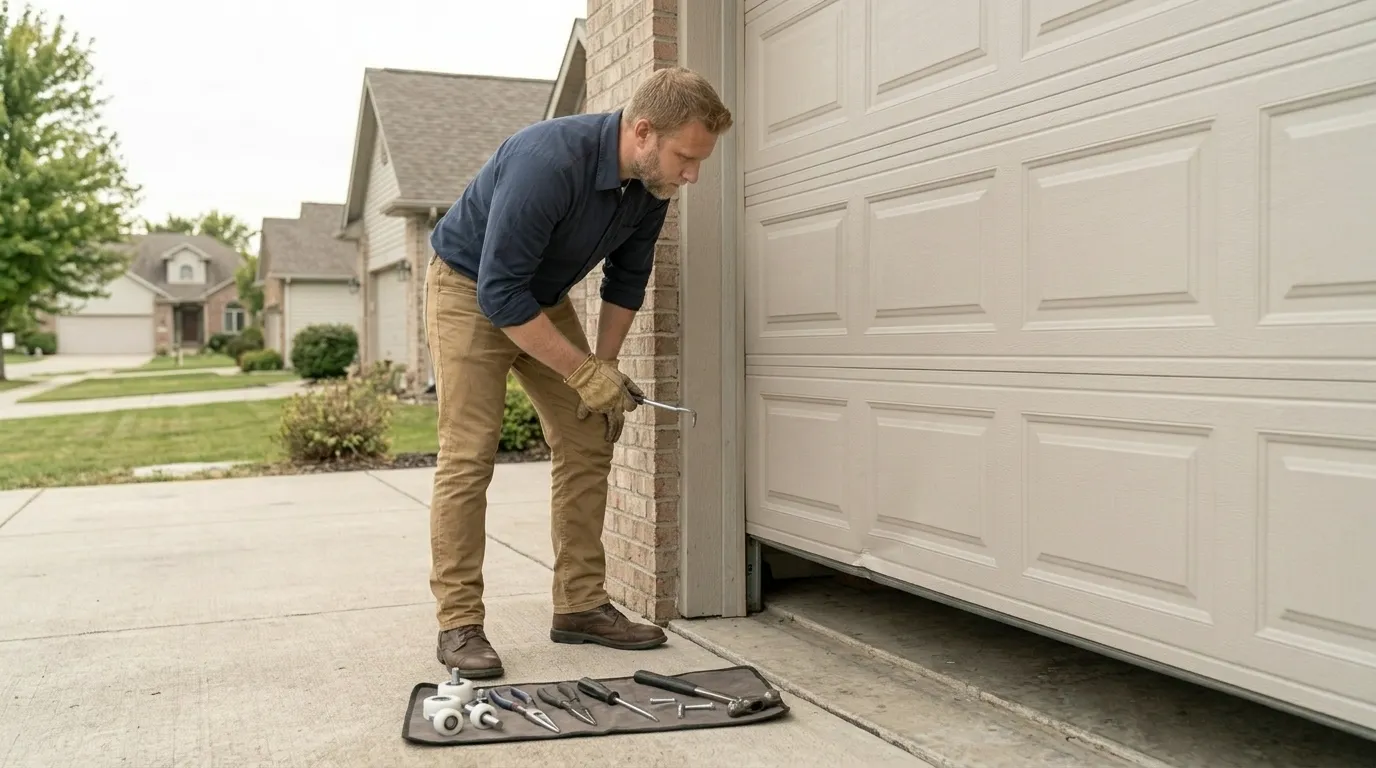
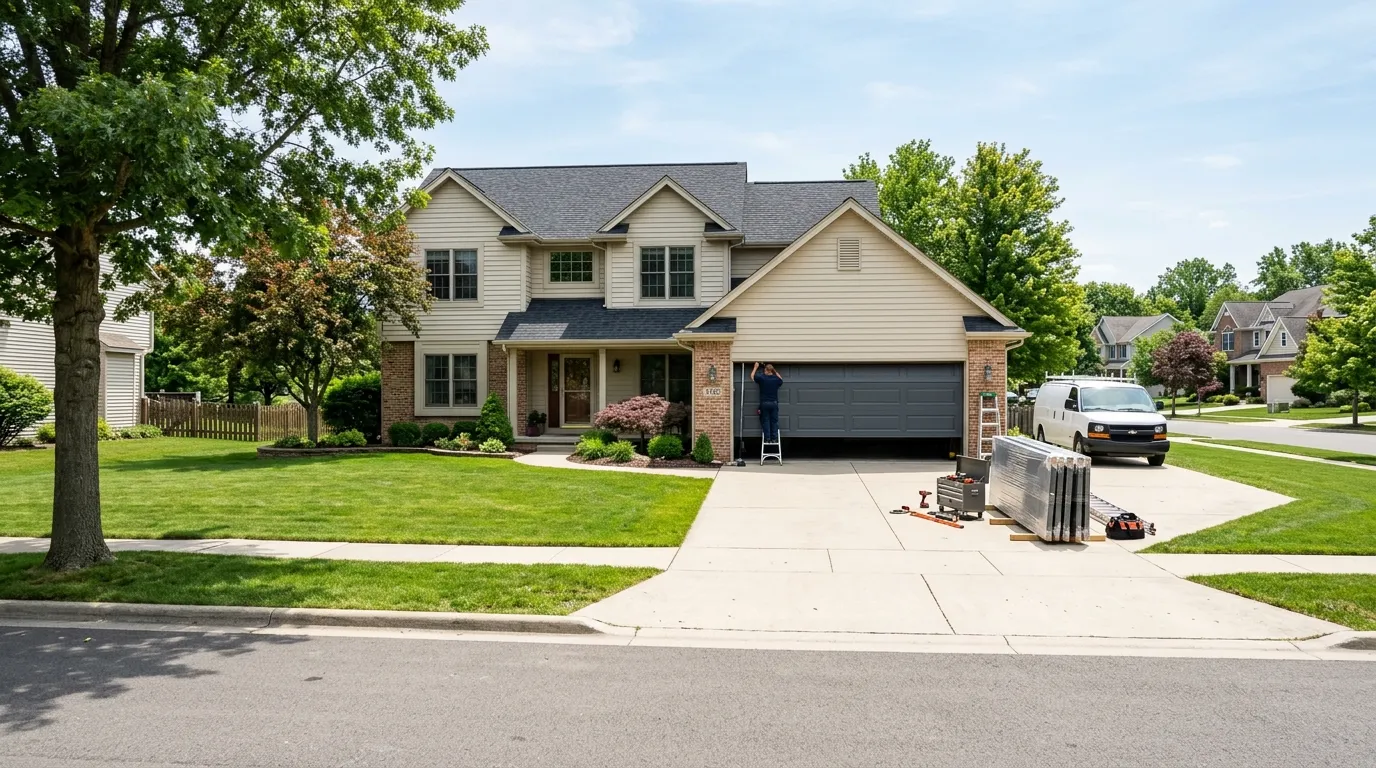
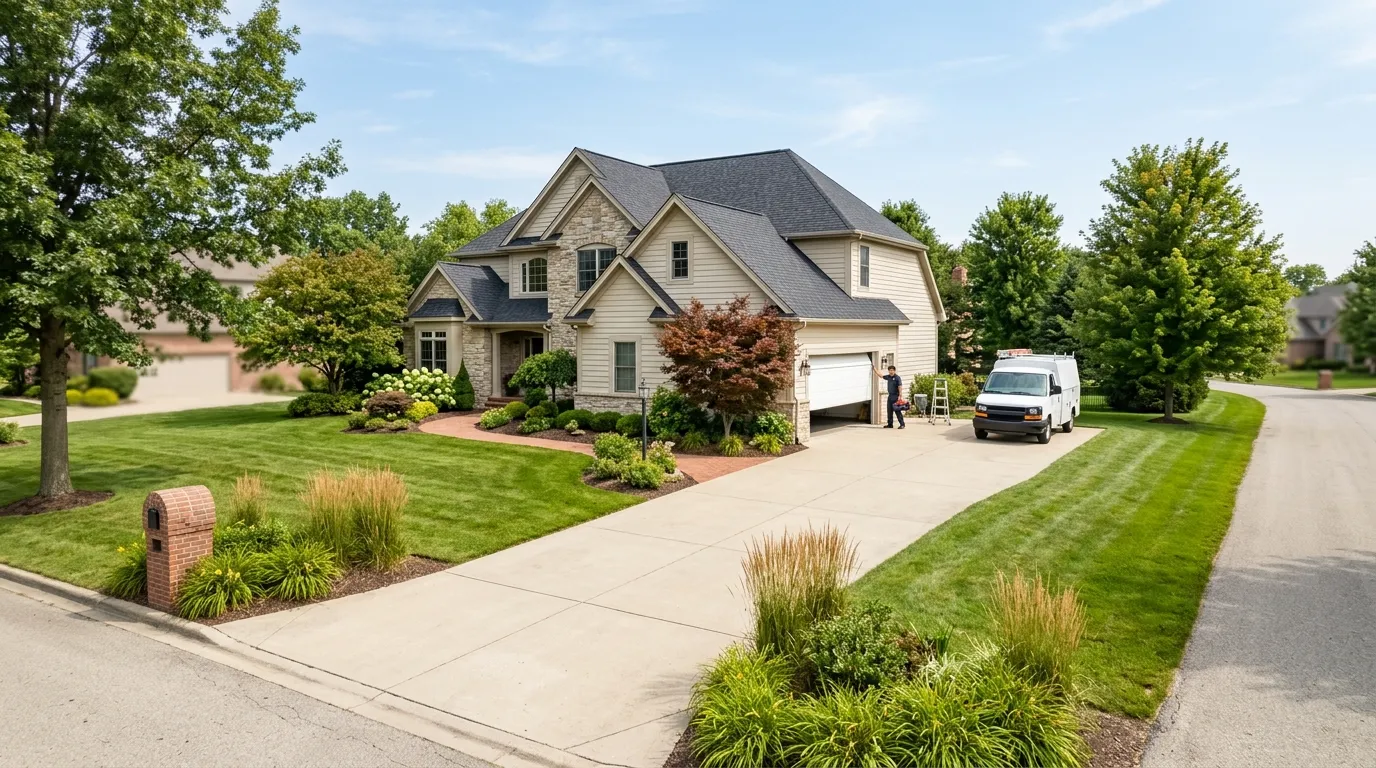
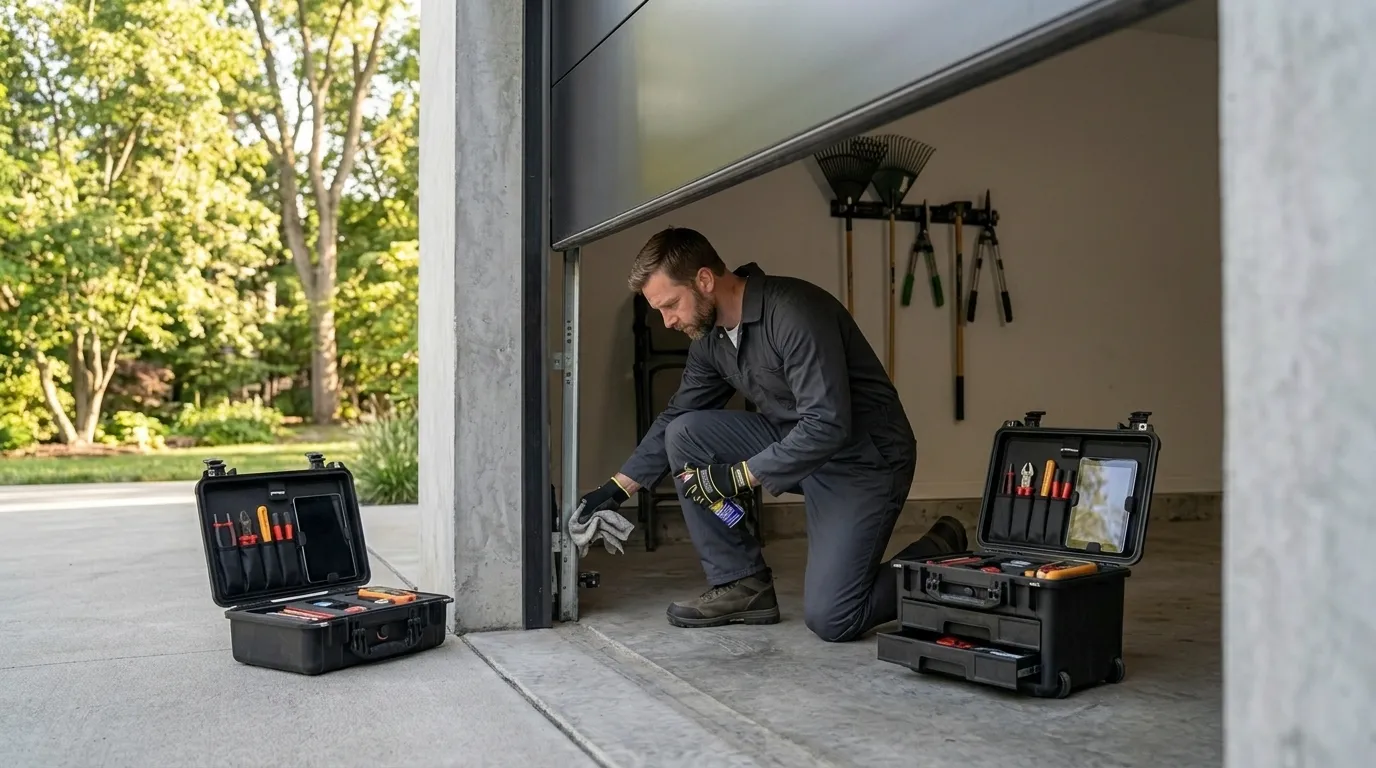
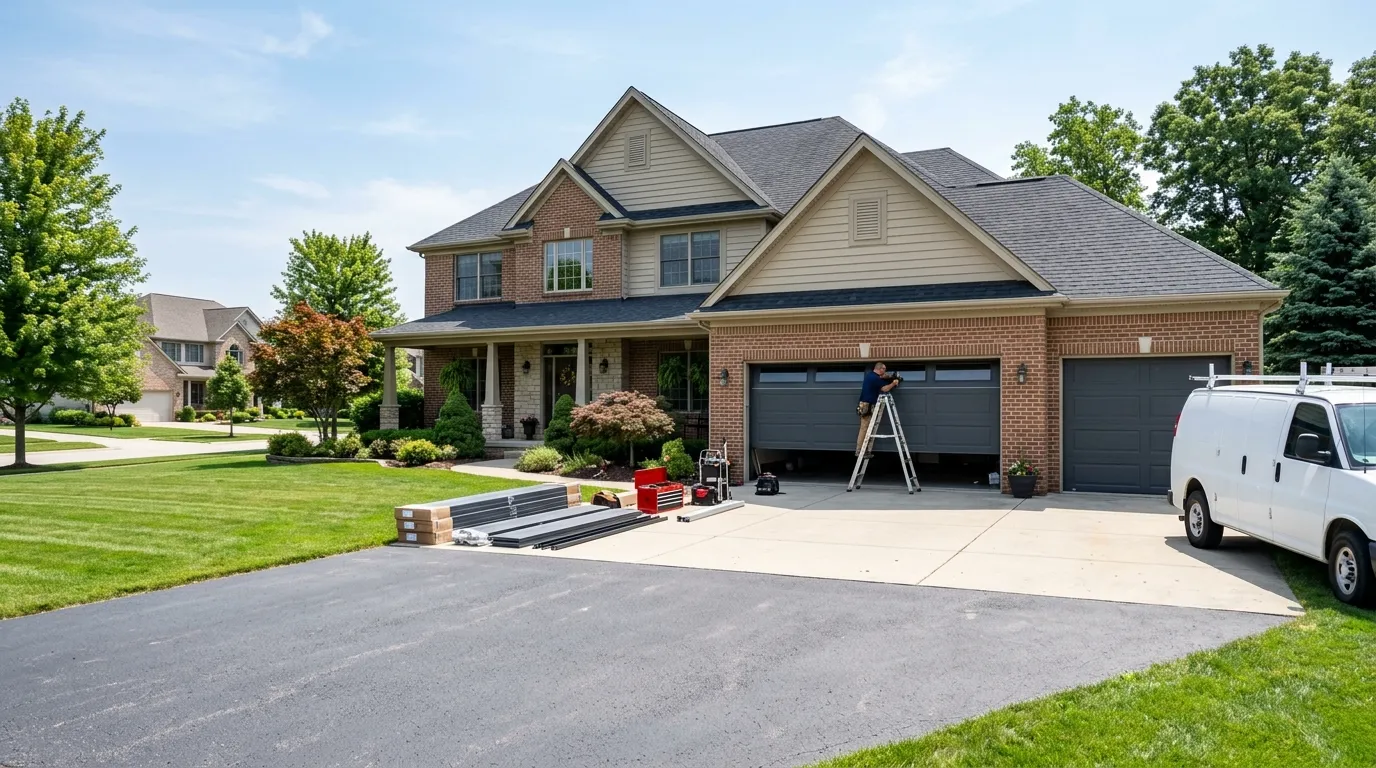
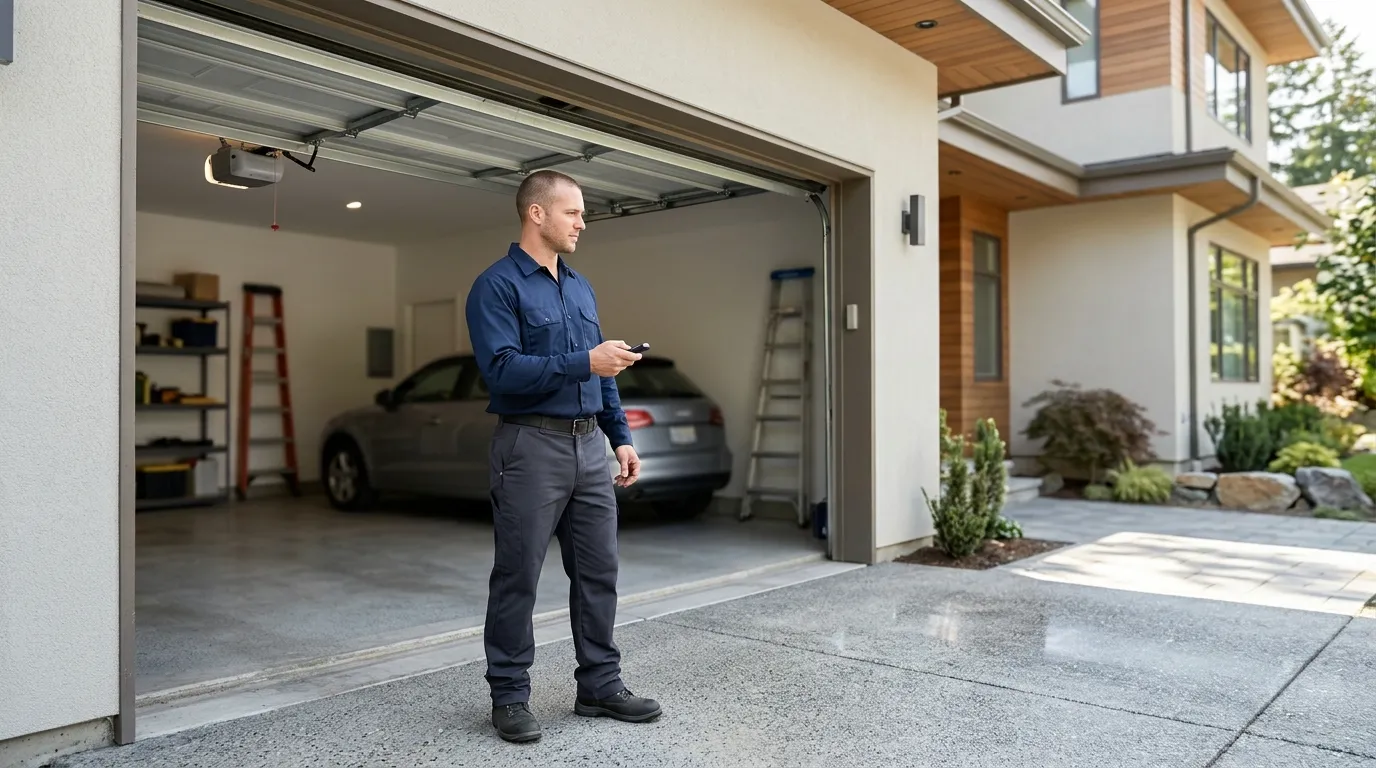
A look at doors, openers and springs we've installed and serviced across the Salt Lake City metro.
Where We Work
Neighborhoods across the city and suburbs around the metro. Not sure if we reach you? Just ask.
Local Expertise
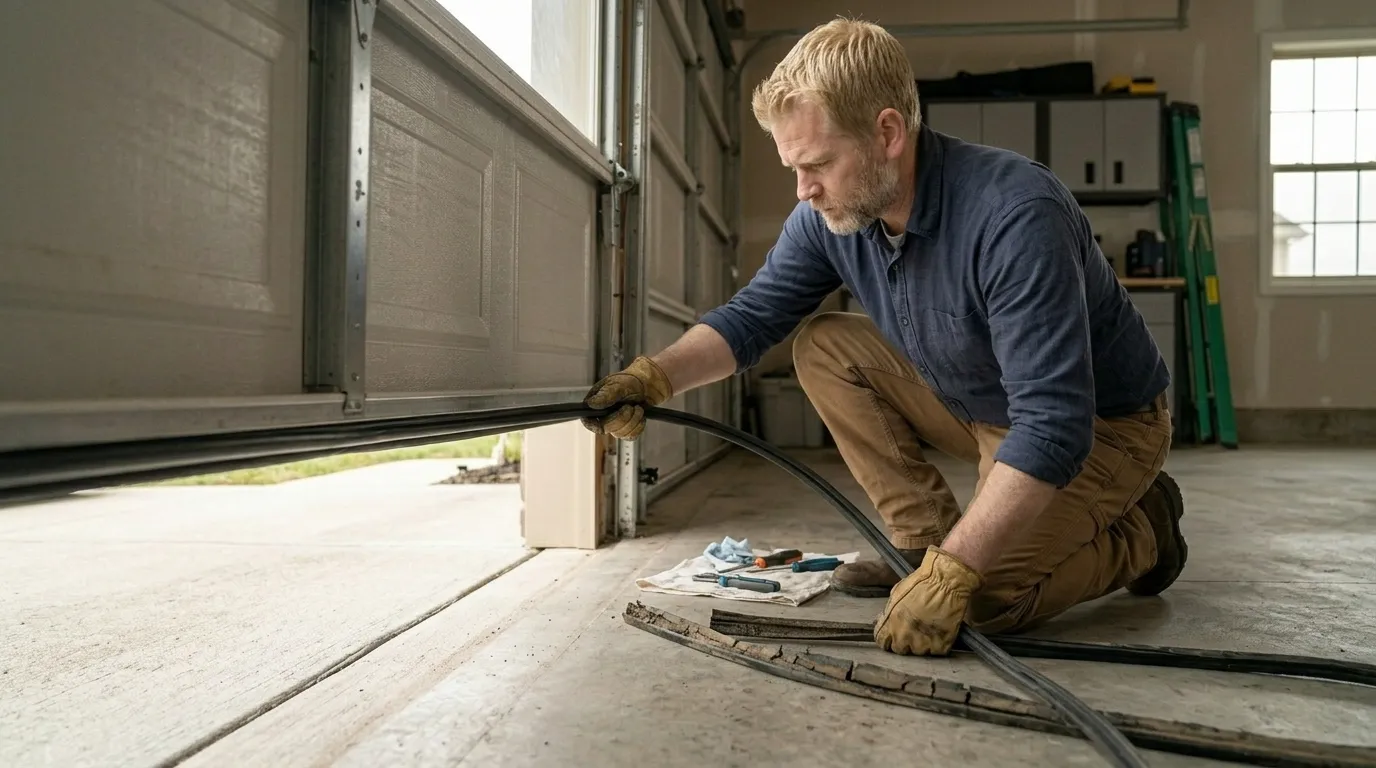
You tell us the address and what the door is doing - won't open, makes a bang, opener runs but nothing moves - and we can usually tell you what's wrong before the truck leaves. That's because most of Salt Lake City's housing went up in a narrow window, 1969 to 2007, with a median build year around 1987. Across the 21 named areas we work in, from Rose Park and Capitol Hill near downtown out to Sugar House and Canyon Rim, the doors and openers tend to fall into a handful of eras, and the failures repeat. A house built in the 80s in Poplar Grove has different hardware than one built in the early 2000s out toward Cottonwood Heights, and we bring parts for both. We diagnose on site, quote before we touch anything, and if the fix is quick we usually finish same visit. If a part has to be ordered - some older torsion springs and rail sizes aren't stocked on the truck - we tell you that up front instead of guessing at a timeline.
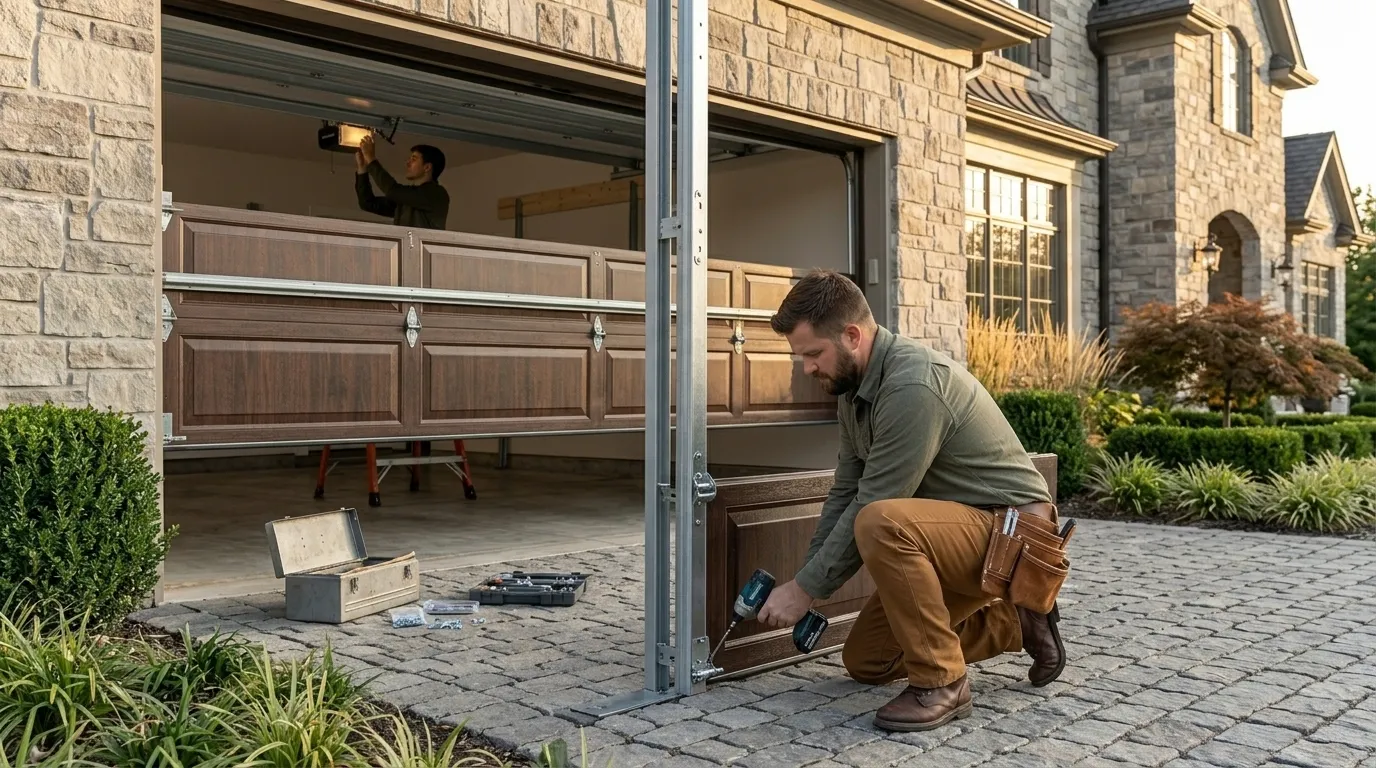
What a job costs depends on what's actually broken and what era of door it is. A broken torsion spring on a double door from a 1990s build is a different job than a bent track or a dead opener board on something newer. Because the housing stock here clusters around a median build year of 1987, a lot of the springs, drums, and rollers we replace are original or close to it, and swapping like-for-like is usually the cheaper path. Where it gets more expensive is when the opener itself has failed and the door still runs on hardware from the original install - matching new electronics to thirty-year-old track can mean extra labor. We quote the repair on site after we've looked at the actual door, not over the phone off a description. We don't upsell a full replacement when a spring swap will get another decade out of the door, and we'll say so plainly if that's the case.
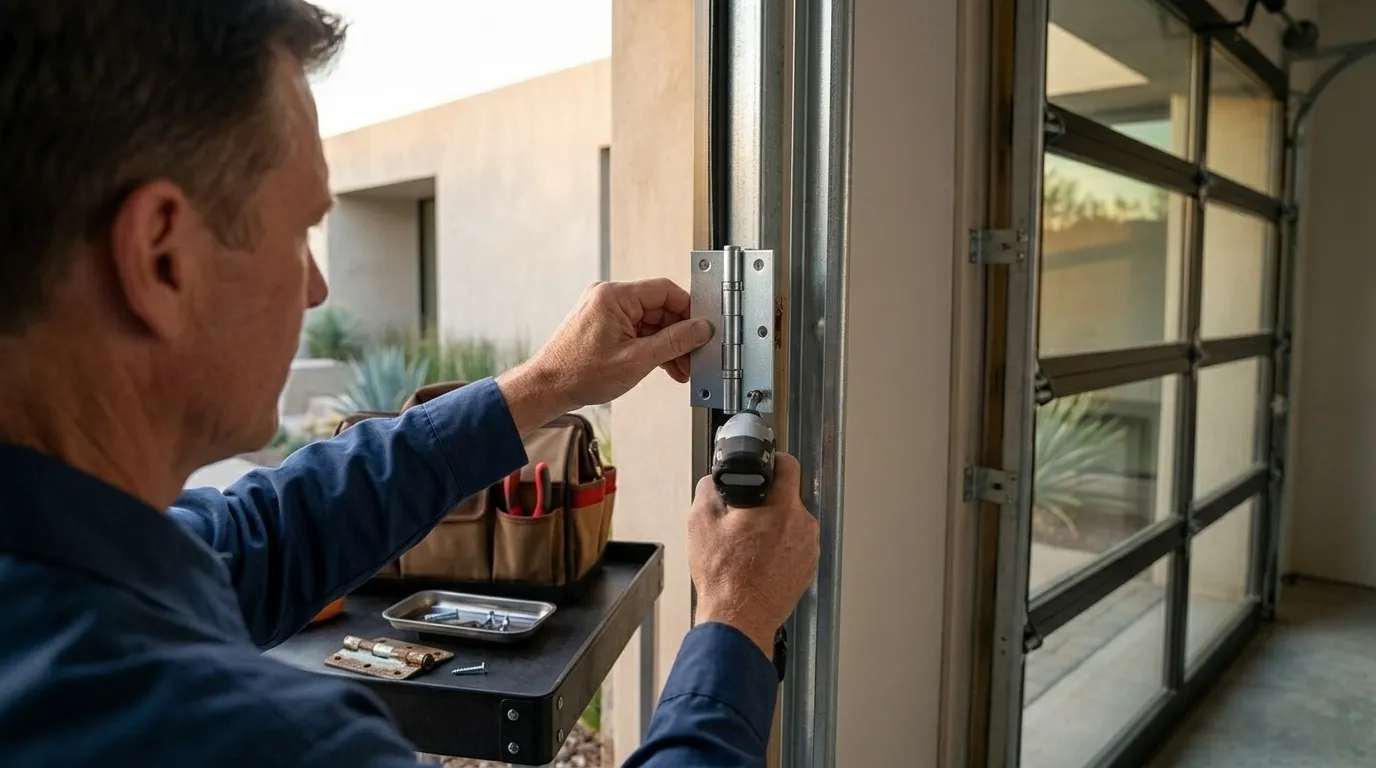
Salt Lake's cold band is severe enough that garage doors here take real thermal cycling every winter - steel panels contracting, seals hardening, lift cables tightening on cold mornings before they've had a chance to warm and loosen. That shows up as doors that work fine by afternoon but bind or won't budge at 6 a.m. Combine that with a housing stock mostly built in the 1980s and 90s, and you get a lot of single-layer steel doors and older extension-spring setups that were never insulated for a climate this cold. We see galvanized springs that have lost tension faster than they should because of the freeze-thaw cycle, and rollers that have gone brittle. When we replace hardware in this climate we spec for it - heavier-gauge springs and cold-rated rollers, not whatever's cheapest - because a part that's undersized for a Salt Lake winter comes back to bite the homeowner in two years, not ten.
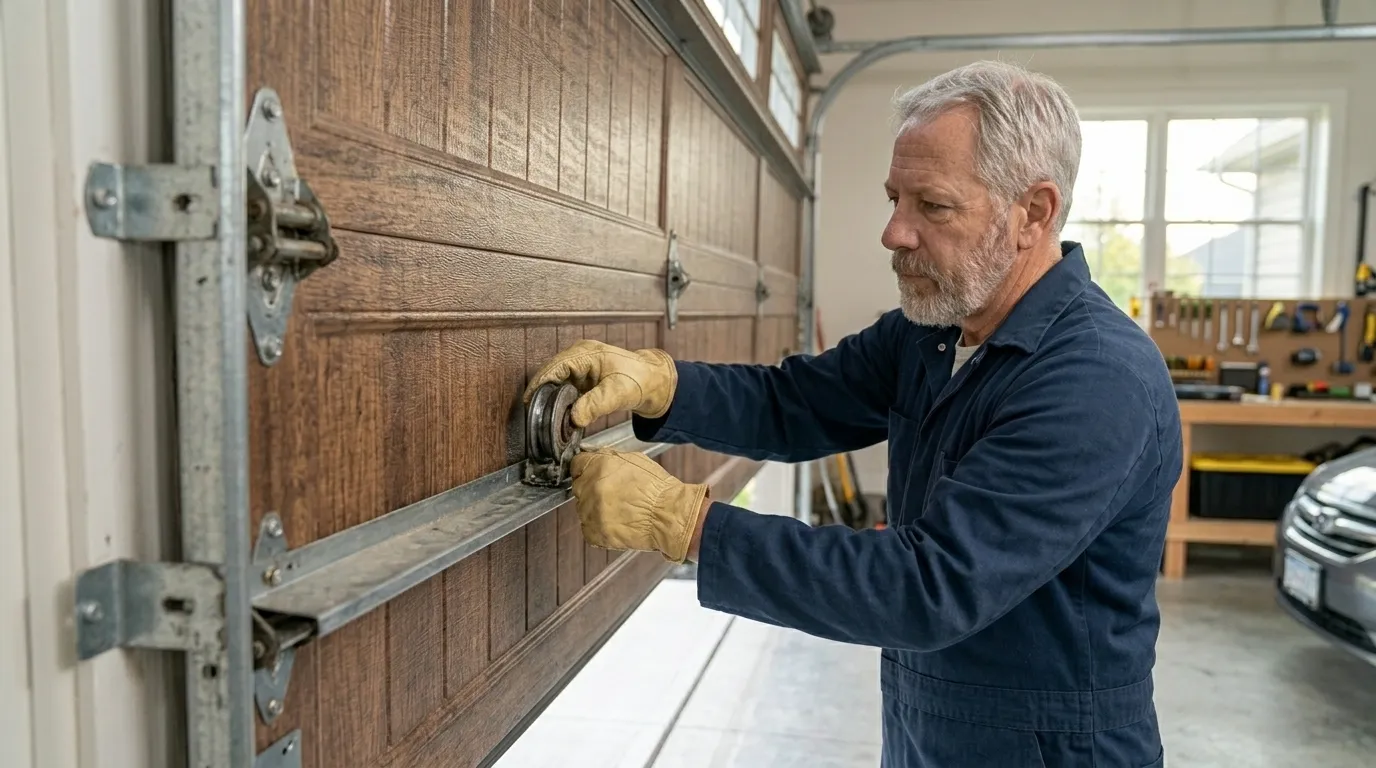
We work Salt Lake City proper and the close-in areas around it: University a mile east, Rose Park a mile northwest, Poplar Grove two miles south-southeast, Capitol Hill two miles east-northeast, Rio Grande and the Ballpark and Central City neighborhoods a few miles out, and the Avenues both lower and upper about three miles east. Farther out we reach North Salt Lake and South Salt Lake at five miles, Woods Cross and West Valley City at seven, Bountiful and Millcreek and Taylorsville at eight, West Bountiful and Murray at nine, and Holladay at ten. We also cover Centerville, Midvale, Cottonwood Heights, Farmington, South Jordan, Granite, Fruit Heights, Kaysville, Riverton, Summit Park, and Draper. Across all of it, we're serving roughly 266,031 households and 131,338 owner-occupied houses, with a median household income of $115,335 - a mix that ranges from tight urban lots near downtown to larger suburban garages farther out, and our trucks are set up for both.
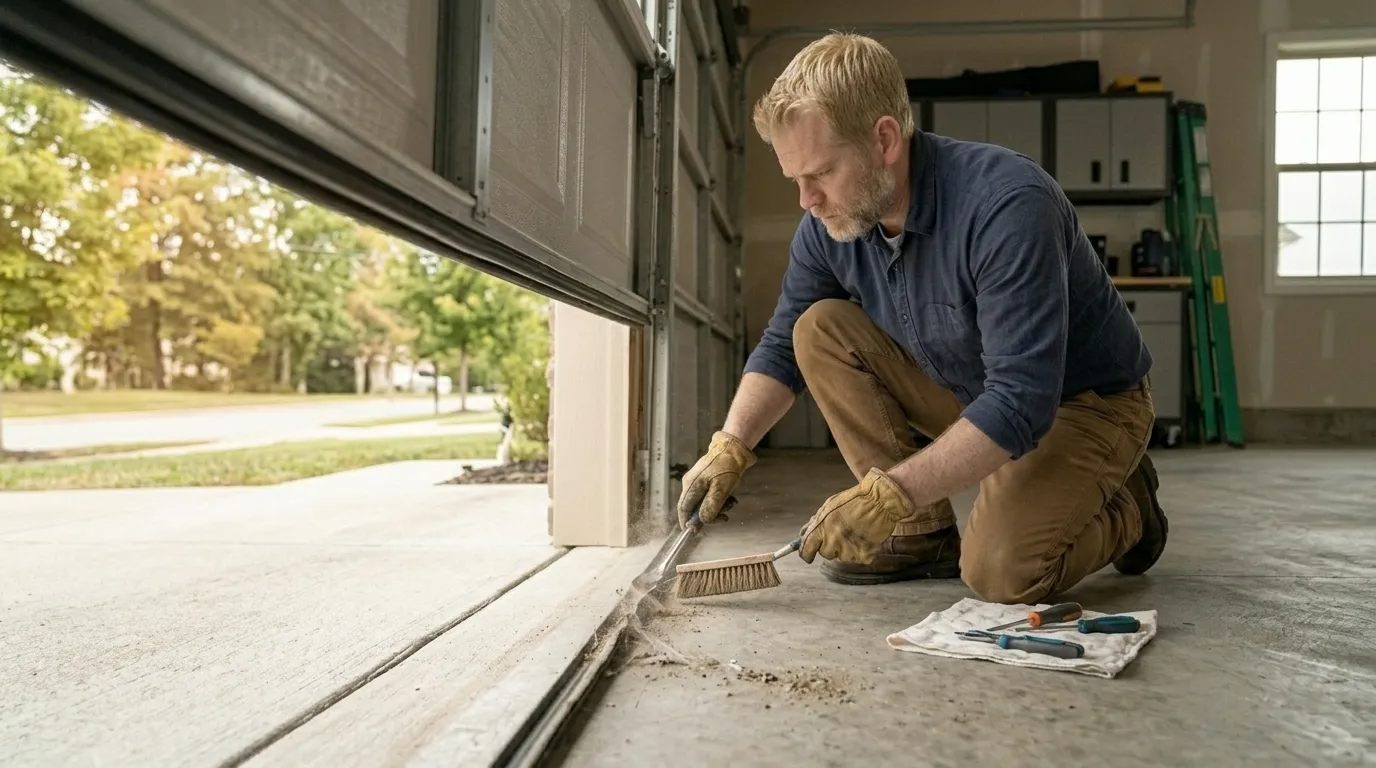
Broken torsion springs top the list, especially on doors original to houses built in the 1980s and 90s - that median 1987 build year means a lot of springs are past their rated cycle count right now. Opener failures come in close behind, usually on units installed as a retrofit sometime after the original build, since openers get replaced more often than the door itself. Bent tracks from someone backing into the door are common enough that we carry replacement rail sections on the truck. Cold mornings bring in a wave of calls about doors that stick or won't lift until later in the day - that's the severe winter climate working on hardened seals and tight cables, not usually a sign the opener is dying. Cable and roller wear shows up most on doors that have never had a tune-up, which is a lot of them. What we don't do is replace a door that only needs a spring, just because replacement pays more - if the panel and track are sound, we say so.
Good to Know
Most of the housing in our service area went up between 1969 and 2007, with a median build year around 1987. Torsion springs are rated for a set number of cycles, and a lot of homes are hitting that mark at roughly the same time, which is why spring calls cluster the way they do.
Yes. Salt Lake sits in a severe cold climate band, and that means real thermal cycling on steel doors - cables tighten, seals stiffen, and lift springs lose a little give overnight. A door that binds at 6 a.m. and runs fine by noon is usually the cold, not a failing part.
Not automatically. A lot of doors here are original to builds from the 80s and 90s, and matching like-for-like parts is often the cheaper repair. Cost goes up mainly when an opener has to be paired with much older track or drum hardware.
We cover the city itself and areas out to about 20 miles, including North Salt Lake, Bountiful, Murray, Holladay, Midvale, Cottonwood Heights, Draper, and Riverton, among others. If you're unsure whether your address is in range, just call and ask.
Sometimes, but not as often as people assume. If the panels and track are sound and it's just a spring or opener, replacement is usually a waste of money. We'll tell you honestly when a repair won't hold and replacement is the better call, but we don't push it by default.
Call now or request a free quote - same-day service on most repairs, upfront written pricing.